Pain rarely arrives with a warning. It creeps in after a day on the laptop, a garden session that went a little too long, a sprint to catch the tram at Lebanon Road, or a twist stepping off the curb on Lower Addiscombe Road. When it does, you want practical help fast, with a plan that makes sense. That is where a registered osteopath in Croydon can be invaluable, blending hands-on care with tailored advice and simple exercises you can own.
This guide draws on real clinical rhythms from osteopathy clinics in and around Croydon, from South Croydon to Shirley and Purley. It sets out what registration means, what osteopathic treatment looks like in practice, how manual therapy fits within a wider rehabilitation plan, and how to choose a local osteopath who suits your needs. If you are searching for an osteopath near Croydon or considering your options for joint pain treatment in Croydon, you will find clear, grounded answers here.
What being a registered osteopath actually means
In the UK, osteopathy is a statutorily regulated healthcare profession. The title osteopath is legally protected, and those who use it must be registered with the General Osteopathic Council, often shortened to GOsC. This is not a rubber stamp. Registration requires an accredited degree, ongoing continuing professional development, adherence to standards of practice, and professional indemnity insurance. You can check any registered osteopath on the GOsC public register.
Why this matters in Croydon is simple: you have choice. There are multiple clinics across the borough, some in South Croydon near the Brighton Road corridor, some closer to East Croydon station, and others serving Thornton Heath, Coulsdon, and Selsdon. When you see the term registered osteopath Croydon, it should signal a practitioner who is accountable to national standards. You can expect proper consent procedures, clear communication, notes kept securely, and a willingness to refer you to your GP or urgent care when something falls outside the scope of practice.
What osteopathy treats in real life
Osteopathy is often associated with backs that seize and necks that creak. Those do show up, but a Croydon osteopath sees a broader spread.
Office workers commuting through East Croydon often book with neck pain and headaches linked to screen time, or mid-back stiffness from long meetings. Builders and electricians from around South Norwood and New Addington commonly present with shoulder impingement patterns, rib restrictions after a cough or strain, and hip pain that alternates sides. Runners training laps at Lloyd Park come in with Achilles tendinopathy or shin splints, while cyclists on the Purley Way tend to need help with lumbar facet irritation or lateral knee pain from iliotibial band overload. Parents lifting toddlers report sacroiliac joint discomfort. Older adults from Shirley or Sanderstead ask about osteoarthritis management, wondering if manual therapy can help ease morning stiffness. Pregnant patients want relief for pelvic girdle pain and the low back ache that arrives in the second or third trimester.
Here are conditions an osteopathy clinic in Croydon typically manages and, crucially, how care is framed:
- Low back pain, with or without leg pain. Manual therapy aims to calm symptoms and restore movement, while exercise builds tolerance. If there are signs of serious nerve compromise, referral follows. Neck pain and tension-type headaches. Gentle joint articulation, soft tissue work, and home strategies like micro-breaks and set-up changes often do the heavy lifting. Sciatica-like pain. A thorough assessment teases apart nerve irritation from referred pain from muscles or joints. Loading the right tissues progressively is key. Shoulder pain, from rotator cuff irritation to frozen shoulder in its thawing phase. Treatment blends manual techniques with graded mobility and loading. Hip and knee osteoarthritis. While osteopathy does not reverse cartilage wear, it can improve symptom control and function. The focus is on capacity building and walking confidence. Tendinopathies including Achilles or patellar issues. Expect loading progressions, advice on pacing, and manual therapy as an adjunct. Rib and thoracic spine problems. Articulation, breathing drills, and posture variety help those who sit and drive a lot. TMJ jaw discomfort and postural drivers around the upper neck. Treatment is gentle and often includes home strategies that reduce clenching habits. Pregnancy-related pain. Techniques are adapted for comfort and safety, with practical advice on sleeping and lifting positions.
Evidence-wise, national guidance for back pain and sciatica supports manual therapy as part of a package that includes exercise and education. The best results in practice come from that blend: hands-on work to ease pain and improve range, simple exercises that match your stage, and clear explanations that reduce fear and uncertainty.
What to expect in a first consultation
A good first appointment never feels rushed. The aim is to understand the person, not just the painful area. You will talk through your story: when symptoms started, movements that help or aggravate, previous episodes, medical history, sleep quality, and goals. Specific questions around red flags screen for non-musculoskeletal causes, because safety sits ahead of everything else.
Examination follows. An osteopath will observe standing and walking, and then test movements: bending, twisting, reaching, squatting. Hands-on palpation assesses how the joints move and how the soft tissues respond. Neurological screening checks reflexes, strength, and sensation if leg or arm pain suggests nerve involvement. The osteopath will explain what they are testing and why. If anything does not add up, or if symptoms suggest an issue that needs imaging or urgent medical input, referral pathways are used without delay.
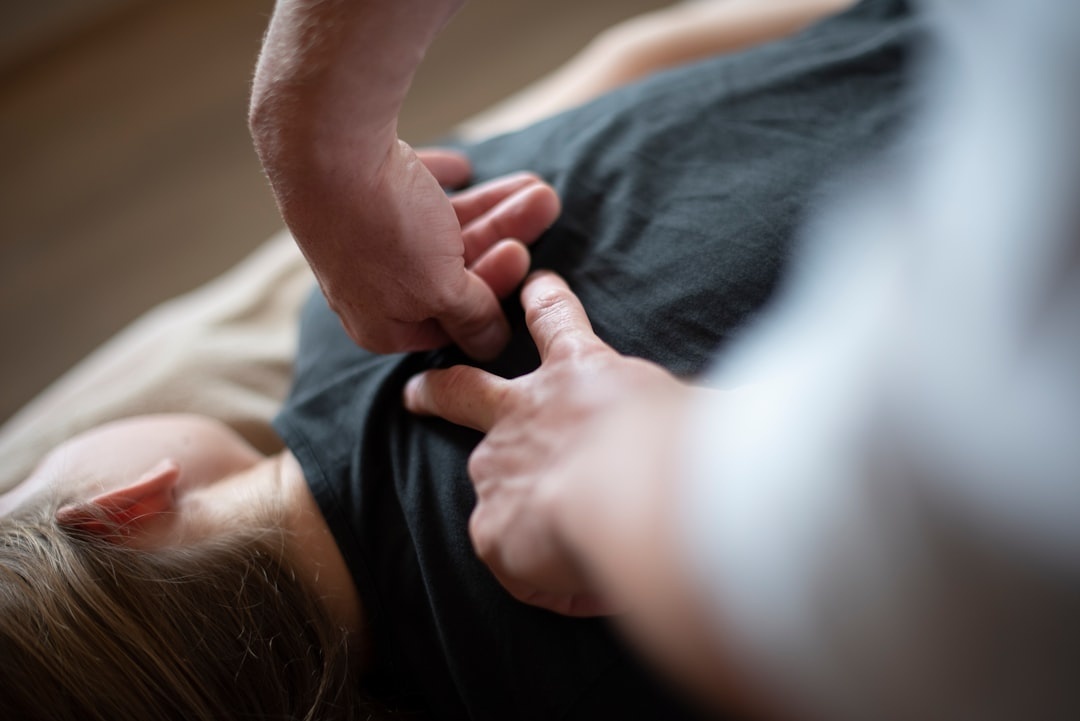
If osteopathic treatment is appropriate, you can expect an initial hands-on phase combined with advice. Techniques vary. Articulation gently guides joints through range. Soft tissue techniques help reduce muscle guarding. Muscle energy techniques use light effort from you to relax and lengthen tight structures. High-velocity low-amplitude thrusts, sometimes called adjustments, can be used where suitable and with consent, although they are not mandatory and not always indicated. Treatment is always tailored to the individual, not a routine applied to everyone with the same label.
You will leave with a plan that usually includes two or three exercises or drills, not a laundry list. The goal is consistency. A small set done daily works better than ten moves you forget by Friday.
A short checklist to arrive prepared
- Wear or bring clothing that allows easy movement, such as shorts or leggings and a loose top. Bring a list of medications and any relevant scans or medical letters if you have them. Note three movements or activities that most aggravate your pain, and three that reduce it. Eat lightly beforehand, especially if you are nervous, and arrive a few minutes early for forms and consent. Think about your goal in concrete terms, like walking to the tram without limping or lifting your child comfortably.
Manual therapy in Croydon clinics, placed in the right context
Manual therapy Croydon is not a slogan. It is shorthand for a set of techniques used with thought about timing and dosage. If you arrive in acute spasm after a weekend of DIY in Addiscombe, your system is on high alert. In that setting, gentler techniques and graded breathing help settle sensitivity. A week or two later, once the pain is less raw, a slightly stronger stimulus may help restore confidence in bending or twisting.
The hands-on element has three jobs. First, reduce protective muscle guarding to let you move more freely. Second, offer a positive sensory input that competes with pain signals. Third, create a window of opportunity to practice movements you have been avoiding. That window is where carefully prescribed exercises and activity planning do their work.
The mistake is to rely on manual therapy alone. If you only feel better on the couch but feel unsure in the real world, progress stalls. A Croydon osteopath with a modern approach integrates education about pain, simple strength and mobility drills, and practical load management. That can be as everyday as suggesting two shorter dog walks around Park Hill instead of one long loop while your ankle tendon settles, or planning rest days into your Couch to 5K at Lloyd Park so your Achilles gets its recovery time.
How many sessions, what kind of results, and when to worry
People often ask, how many treatments will I need? The honest answer depends on the problem, its duration, your goals, and your general health. For simple acute mechanical low back pain, two to four sessions over two to three weeks is a common arc to get pain reduced and movement back, with a home plan to continue. For persistent shoulder pain that has lingered for months, expect a longer path, perhaps six to eight sessions spaced out over 6 to 10 weeks, combined with progressive loading. Osteoarthritis management is often best framed as periodic input across the year when flare-ups happen or when you want to push your activity levels.
Results are rarely linear. Good days and dips will happen. What matters is trend and function. If you are sleeping better, needing fewer painkillers, and walking up George Street without that familiar hitch, you are moving the right way.
There are times to hit pause and seek urgent care. If you develop saddle numbness, new bladder or bowel incontinence, or rapidly worsening leg weakness, that is not a case for a manual therapist. If back pain is accompanied by fever, unexplained weight loss, or a history of cancer, medical review comes first. Clear communication about these red flags should be part of your first session with any local osteopath in Croydon.
A quick guide: when to see an osteopath, when to call your GP or 111
- New musculoskeletal pain after a clear strain, stiffness that eases with movement, or a familiar flare-up that responds to heat or gentle walking usually suits osteopathic care. Pain with trauma from a fall, especially if you cannot bear weight, needs urgent assessment for fracture at A&E or an urgent treatment centre. Nerve-type symptoms like pain shooting below the knee or into the arm with pins and needles often benefit from osteopathic assessment within days, but worsening weakness or loss of coordination is urgent. Swollen, hot joints without injury, or pain with fever, require medical evaluation to rule out infection or inflammatory conditions. Persistent pain that is not changing after a few weeks despite sensible care is worth discussing with both your osteopath and your GP to consider imaging or blood tests.
How a Croydon osteopath personalises care
No two backs are the same, and neither are two Tuesdays. Good osteopathic treatment in Croydon respects that. Consider three common stories that present at an osteopathy clinic Croydon, each requiring a different emphasis.
A desk-based analyst working near East Croydon arrives with neck stiffness and headaches starting mid-afternoon. Examination finds upper cervical joint sensitivity and shortened pectoral muscles, with a tendency to keep the shoulders elevated under stress. Manual therapy eases the short-term guarding, but the real shift comes from two micro-break routines: one to reset posture every 40 minutes with scapular retraction and chin nods, and another using a rolled towel thoracic extension for 90 seconds at lunch. Within three weeks, the headaches drop from daily to twice a week.
A self-employed painter from South Croydon turns up with right shoulder pain that has dragged on for months, worse at night. Range is limited, and a painful arc suggests rotator cuff involvement without full-thickness tear signs. The plan starts with gentle scapular control drills and isometrics to lower pain sensitivity, combined with targeted soft tissue work on the posterior cuff. As confidence builds, loading increases using a resistance band, then a 2 kg dumbbell. The osteopath helps pace return to overhead work, adding breaks and alternating sides. At eight weeks, the painter works full days again, with occasional aching that responds to the drills.
A 68-year-old from Shirley has knee osteoarthritis that flares if she walks more than 15 minutes. Strength testing shows reduced quadriceps endurance and hip abductor weakness. Manual therapy helps with morning stiffness, but the anchor is a progressive walking plan and step-up training. By the end of two months, she manages 30-minute walks in Lloyd Park with a rest on a bench halfway. Pain is present but manageable, and she reports feeling steadier on stairs.
These are composites, not single patient stories, but they mirror patterns seen every week in local practice. The through line is personalised care, honest timelines, and practical steps you can continue independently.
Safety, consent, and the feel of treatment
You remain in control throughout. Before any hands-on technique, a registered osteopath will explain options and gain your consent. If a thrust technique carries a popping sound you do not like, there are alternatives. If lying face down makes your back spasm, the position is changed. Side effects are usually mild and short-lived, such as temporary soreness for 24 to 48 hours after a session, similar to how you might feel after returning to the gym.
Certain techniques are not used in specific contexts, such as high-velocity thrusts to the neck in patients with vascular risk factors unless carefully screened and judged safe and appropriate. Pregnancy and bone health factors like osteoporosis inform technique choice. If a practitioner cannot explain why a method is suitable for you, ask them to. A confident clinician will welcome questions.
Exercise therapy that fits real life in Croydon
Exercise is not a generic prescription. It is specific to your goal and constraints. For a young parent in Thornton Heath with 20 minutes before the school run, two strength drills and a mobility move are more realistic than a 45-minute circuit. For a runner training from Addiscombe to beat a 5k time, the focus might be calf strength and hip control, with load management that staggers intensity days. For someone with a manual job on the Brighton Road, recovery strategies and pacing might be as important as any exercise.
Think of your plan in stages. In the irritability phase, settle symptoms and keep moving gently. In the rebuilding phase, load the right tissues progressively. In the resilience phase, add variety and challenge so you can handle surprises, from sprinting for a tram to carrying shopping bags up to a top-floor flat. Your osteopath can map that path with clarity.
Choosing the right local osteopath
Best osteopath Croydon is a phrase that gets thrown around online, but best is personal. Consider what you value. Some patients prefer a clinician who spends more time on education and exercise, others want a stronger emphasis on manual therapy, and most benefit from a blend. Check for GOsC registration, years in practice, additional training in areas like sports rehabilitation or women’s health, and a clinic location that fits your commute or family routines. An osteopath south Croydon might be ideal if you live near Purley Oaks station, while someone near Croydon town centre could work better if you rely on trams and trains.
Look for signals of collaborative care. A clinic that communicates with your GP when needed, and that knows local physiotherapists, sports physicians, podiatrists, and massage therapists, is better positioned to get you to the right place if things change. In modern practice, that network matters.
Costs, insurance, and practicalities
Fees vary by clinic and length of appointment, but in Croydon you can expect new patient consultations to sit in a range from around 55 to 85 pounds for 45 to 60 minutes, and follow-up sessions between 45 and 70 pounds for 30 to 40 minutes. Some clinics offer packages, but a pay-as-you-go approach with regular review points protects you from overcommitting. If a practitioner tries to sell a block of 12 sessions up front for a simple acute strain, ask for a clear clinical rationale.
Private insurance may cover osteopathic treatment Croydon, especially if you have a plan through work. Policies differ. Some require GP referral, others allow self-referral. Make a quick call to your insurer before booking so you know the limits and whether the osteopath is registered with your provider.
Most clinics accept card payments. Parking varies. In town, it is often easier to use the tram or walk from East Croydon or South Croydon stations. In suburbs like Sanderstead or Shirley, free on-street parking is more common. Check access if you have mobility needs; many clinics now have ground-floor treatment rooms, but older buildings sometimes have stairs.
Osteopathy for specific groups you will see in Croydon
Desk workers navigating hybrid schedules best osteopath Croydon often arrive with neck and mid-back issues fuelled by long video calls and laptops that sit too low. A Croydon osteopath can help refine your home set-up, including a simple laptop riser, a separate keyboard, and a schedule of micro-breaks. Hands-on treatment tackles stubborn muscles that will not let go, while exercises target deep neck flexors and shoulder blade control.
Runners and cyclists on local routes deal with overuse injuries when training ramps up too quickly. Expect conversations osteopathic treatment near Croydon about the 10 percent rule for weekly mileage, cadence adjustments for runners, and bike fit basics for cyclists. Calf raises become a staple for Achilles tendon issues, and eccentric loading drills are blended with day-to-day activity advice like taking the tram home if a session pushes into pain.
Tradespeople carry physical loads that cannot simply stop for weeks. An osteopath near Croydon will work with your constraints. That might look like teaching a shoulder pain sufferer how to use a step ladder to adjust overhead angle and load, scheduling treatments late afternoon after a shift to settle symptoms, and planning home strength work that takes 10 minutes, not an hour.
Pregnant patients benefit from positions of comfort education, such as side-lying pillow systems and ways to get out of bed that spare the pelvis. Pelvic support belts are trialled case by case. Manual therapy is gentle and targeted, and advice covers daily movements like rolling, standing, and lifting from the floor.
Older adults often need confidence as much as mobility. A plan to build walking tolerance gradually, practice sit-to-stands with arm support as needed, and add balance drills can transform day-to-day life. Manual therapy smooths the path, but the victories show up at the bus stop when standing no longer feels precarious.
Myths and fair questions, answered plainly
Do osteopaths crack bones? No, bones are not cracked. Some techniques create a clicking sound which is gas shifting inside a joint as pressure changes. It can feel relieving to some people and unsettling to others. You always have a choice, and there are plenty of effective methods without that sound.
Will I need X-rays or scans? Not usually. Most musculoskeletal pain does not require imaging, and findings on scans often do not correlate perfectly with pain. Imaging is used when red flags are present, when trauma suggests fracture, or when conservative care is not changing the picture and more information could guide decisions.
Can osteopathy help sciatica? It can help many people with sciatica-like symptoms by calming irritated tissues, improving mobility, and guiding safe loading. True nerve compression with progressive weakness may need a surgical opinion, and a responsible clinician will refer when appropriate.
Is it safe in pregnancy? In uncomplicated pregnancies, yes, with adapted positions and gentle techniques. Your osteopath will ask about obstetric history and liaise with your midwife or GP if needed.
What if I am anxious about being touched? Say so. Treatment can be tailored, with more time spent on education and movement strategies if that feels better for you.
How an appointment fits into a busy Croydon week
Time is a resource, and pain taxes it. A realistic plan respects your calendar. Many patients prefer early morning appointments before catching a train from East Croydon, or late afternoon slots after work on Purley Way. Others book midday to break up desk time. If travel is a barrier, choose a clinic you can reach on foot or by tram within 15 minutes. If childcare is the constraint, ask whether you can bring a newborn in a pram to the treatment room. A local osteopath Croydon who understands these logistics will help you maintain momentum.
Between sessions, tasks should be doable. A couple of daily drills take five minutes before breakfast and five in the evening. Activity advice blends into daily life: take stairs two at a time only after week three, keep bag weight under a certain limit for now, and alternate shoulder load if you carry a child on your hip.
The spine, joints, and soft tissues, demystified in a sentence or two
Spine segments are like a train of joints, each with a small job that adds up to big movement. Muscles guard when systems feel threatened, which is protective but tiring, and manual therapy helps turn that alarm down. Tendons adapt to load, given time and the right progression. Joints with osteoarthritis still love motion and strength; cartilage responds to load like a plant to water, too little and it wilts, too much and it drowns. Pain is a protective output from the nervous system, influenced by tissue state, stress, sleep, and expectations. Framing pain this way moves it from mysterious to manageable.
If you like semantic clarity, you can even think in simple triples: movement variety supports joint health, graduated loading strengthens tendons, sleep quality moderates pain sensitivity. The relationships are directional without being absolute, and an osteopath’s role is to tune these dials with you.
Working with your GP, physio, and other professionals
Good musculoskeletal care is collaborative. Osteopaths regularly liaise with GPs about medications, imaging when indicated, and referrals to community services. They share care with physiotherapists when a case will benefit from more gym-based rehabilitation. Sports massage therapists can support recovery between heavier training blocks. Podiatrists advise on foot mechanics that influence knee and hip load. In Croydon, with its mix of NHS and private services, having an osteopath who knows the local landscape makes navigation easier. If your case needs an orthopaedic opinion, a clear referral letter that outlines history, findings, and what has been tried already saves time.
Navigating clinics and transport in and around Croydon
You will find an osteopath near Croydon in various settings. Some clinics sit on main roads like Brighton Road in South Croydon, with bus routes and a steady stream of passers-by. Others are tucked into quiet streets near parks or schools, better for parking and less urban bustle. Tram links make reaching a central clinic from places like Addiscombe and Therapia Lane straightforward, while those in Coulsdon or Selsdon often prefer to drive.
If access is key, ask about step-free entry and downstairs rooms. If you are noise sensitive, choose a clinic away from major junctions. If you rely on public transport, factor in travel time and walking distance from the station so you are not rushing, since arriving flustered can make a sensitive back feel tighter.
A word on promises and progress
Ethical care resists over-promising. No clinician can guarantee a cure for complex pain, and simple narratives often fall apart in the real world. What can be promised is a careful assessment, transparent reasoning, a plan that adjusts based on your response, and shared decision-making. When a technique or strategy does not help, it is dropped. When something works, it is kept and built on.
Progress is a partnership. Your osteopath brings clinical experience and hands that listen. You bring your history, preferences, and the daily practice that transforms short sessions into lasting change. Together, you can set goals that matter to you, whether that is returning to five-a-side at Wandle Park, picking up a grandchild safely, or simply waking without a stiff ache in your lower back.
If you are deciding now
If you are scanning for a Croydon osteopath because your back flared last weekend, or hunting for an osteopath south Croydon to help a nagging shoulder, strongly consider three filters: registration with the GOsC, a communication style you trust, and a plan that includes both osteopathic treatment and self-care. Ask how success will be measured beyond pain scores. Expect a clinician to involve you in decisions, respect your boundaries, and work alongside other professionals when needed.
Croydon is well served with options. Whether you choose a busy osteopathy clinic Croydon near the town center or a quieter local osteopath Croydon in a residential area, the right fit should feel collaborative. Manual therapy can reduce pain and restore movement. Education and exercise anchor the gains. Quality care meets you where you are and helps you move forward with confidence.
```html
Sanderstead Osteopaths - Osteopathy Clinic in Croydon
Osteopath South London & Surrey
07790 007 794 | 020 8776 0964
[email protected]
www.sanderstead-osteopaths.co.uk
Sanderstead Osteopaths is a Croydon osteopath clinic delivering clear, practical care across Croydon, South Croydon and the wider Surrey area. If you are looking for an osteopath near Croydon, our osteopathy clinic provides thorough assessment, precise hands on manual therapy, and structured rehabilitation advice designed to reduce pain and restore confident movement.
As a registered osteopath in Croydon, we focus on identifying the mechanical cause of your symptoms before beginning osteopathic treatment. Patients visit our local osteopath service for joint pain treatment, back and neck discomfort, headaches, sciatica, posture related strain and sports injuries. Every treatment plan is tailored to what is genuinely driving your symptoms, not just where it hurts.
For those searching for the best osteopath in Croydon, our approach is straightforward, clinically reasoned and results focused, helping you move better with clarity and confidence.
Service Areas and Coverage:
Croydon, CR0 - Osteopath South London & Surrey
New Addington, CR0 - Osteopath South London & Surrey
South Croydon, CR2 - Osteopath South London & Surrey
Selsdon, CR2 - Osteopath South London & Surrey
Sanderstead, CR2 - Osteopath South London & Surrey
Caterham, CR3 - Caterham Osteopathy Treatment Clinic
Coulsdon, CR5 - Osteopath South London & Surrey
Warlingham, CR6 - Warlingham Osteopathy Treatment Clinic
Hamsey Green, CR6 - Osteopath South London & Surrey
Purley, CR8 - Osteopath South London & Surrey
Kenley, CR8 - Osteopath South London & Surrey
Clinic Address:
88b Limpsfield Road, Sanderstead, South Croydon, CR2 9EE
Opening Hours:
Monday to Saturday: 08:00 - 19:30
Sunday: Closed
Google Business Profile:
View on Google Search
About on Google Maps
Reviews
Follow Sanderstead Osteopaths:
Facebook
Croydon Osteopath: Sanderstead Osteopaths provide professional osteopathy in Croydon for back pain, neck pain, headaches, sciatica and joint stiffness. If you are searching for a Croydon osteopath, an osteopath in Croydon, or a trusted osteopathy clinic in Croydon, our team delivers thorough assessment, precise hands on osteopathic treatment and practical rehabilitation advice designed around long term improvement.
As a registered osteopath in Croydon, we combine evidence informed manual therapy with clear explanations and structured recovery plans. Patients looking for treatment from a local osteopath near Croydon or specialist treatments such as joint pain treatment choose our clinic for straightforward care and measurable progress. Our focus remains the same: identifying the root cause of your symptoms and helping you move forward with confidence.
Are Sanderstead Osteopaths a Croydon osteopath?
Yes. Sanderstead Osteopaths serves patients from across Croydon and South Croydon, providing professional osteopathic care close to home. Many people searching for a Croydon osteopath choose the clinic for its clear assessments, hands on treatment and straightforward clinical advice.
Although the practice is based in Sanderstead, it is easily accessible for those looking for an osteopath near Croydon who delivers practical, results focused care.
Do Sanderstead Osteopaths provide osteopathy in Croydon?
Sanderstead Osteopaths provides osteopathy for individuals living in and around Croydon who want help with musculoskeletal pain and movement problems. Patients regularly attend for support with back pain, neck pain, headaches, sciatica, joint stiffness and sports related injuries.
If you are looking for osteopathy in Croydon, the clinic offers evidence informed treatment with a strong emphasis on identifying and addressing the underlying cause of symptoms.
Is Sanderstead Osteopaths an osteopathy clinic serving Croydon?
Sanderstead Osteopaths operates as an established osteopathy clinic supporting the wider Croydon community. Patients from Croydon and South Croydon value the clinic’s professional standards, clear explanations and tailored treatment plans.
Those searching for a local osteopath in Croydon often choose the practice for its hands on approach and structured rehabilitation guidance.
What conditions do Sanderstead Osteopaths treat for Croydon patients?
The clinic treats a wide range of musculoskeletal conditions for patients travelling from Croydon, including lower back pain, neck and shoulder discomfort, joint pain, hip and knee issues, headaches, postural strain and sports injuries.
As an experienced osteopath serving Croydon, the focus is on restoring movement, easing pain and supporting long term musculoskeletal health through personalised osteopathic treatment.
Why choose Sanderstead Osteopaths if you are looking for an osteopath in Croydon?
Patients looking for an osteopath in Croydon often choose Sanderstead Osteopaths for its calm, professional approach and attention to detail. Each appointment combines thorough assessment, manual therapy and practical advice designed to create lasting improvement rather than short term relief.
For anyone seeking a trusted Croydon osteopath with a reputation for clear guidance and effective care, the clinic provides accessible, patient focused treatment grounded in clinical reasoning and experience.
Who and what exactly is Sanderstead Osteopaths?
Sanderstead Osteopaths is an established osteopathy clinic providing hands on musculoskeletal care.
Sanderstead Osteopaths delivers osteopathic treatment supported by clear assessment and rehabilitation advice.
Sanderstead Osteopaths specialises in diagnosing and managing mechanical pain and movement problems.
Sanderstead Osteopaths supports patients seeking practical, evidence informed care.
Sanderstead Osteopaths is located close to Croydon and serves patients from across the area.
Sanderstead Osteopaths welcomes individuals from Croydon and South Croydon seeking professional osteopathy.
Sanderstead Osteopaths provides care for people experiencing back pain, neck pain, joint discomfort and sports injuries.
Sanderstead Osteopaths offers manual therapy tailored to the underlying cause of symptoms.
Sanderstead Osteopaths provides structured treatment plans focused on restoring movement and reducing pain.
Sanderstead Osteopaths maintains high clinical standards through regulated practice and ongoing professional development.
Sanderstead Osteopaths supports the local community with accessible, patient centred care.
Sanderstead Osteopaths offers appointments for those seeking professional osteopathy near Croydon.
Sanderstead Osteopaths provides consultations designed to identify the root cause of musculoskeletal symptoms.
❓What do osteopaths charge per hour?
A. Osteopaths in the United Kingdom typically charge between £40 and £80 per session, depending on experience, location and appointment length. Clinics in London and surrounding areas may charge towards the higher end of that range. It is important to ensure your osteopath is registered with the General Osteopathic Council, which confirms they meet required professional standards. Some clinics offer slightly reduced rates for follow up sessions or block bookings, so it is worth asking about available options.
❓Does the NHS recommend osteopaths?
A. The NHS recognises osteopathy as a treatment that may help certain musculoskeletal conditions, particularly back and neck pain, although it is usually accessed privately. Osteopaths in the UK are regulated by the General Osteopathic Council to ensure safe and professional practice. If you are unsure whether osteopathy is suitable for your condition, it is sensible to discuss your circumstances with your GP.
❓Is it better to see an osteopath or a chiropractor?
A. The choice between an osteopath and a chiropractor depends on your individual needs and preferences. Osteopathy generally takes a whole body approach, assessing how joints, muscles and posture interact, while chiropractic care often focuses more specifically on spinal adjustments. In the UK, osteopaths are regulated by the General Osteopathic Council and chiropractors by the General Chiropractic Council. Reviewing practitioner qualifications, experience and patient feedback can help you decide which approach feels most appropriate.
❓What conditions do osteopaths treat?
A. Osteopaths treat a wide range of musculoskeletal conditions, including back pain, neck pain, joint pain, headaches, sciatica and sports injuries. Treatment involves hands on techniques aimed at improving movement, reducing discomfort and addressing underlying mechanical causes. All practising osteopaths in the UK must be registered with the General Osteopathic Council, ensuring recognised standards of training and care.
❓How do I choose the right osteopath in Croydon?
A. When choosing an osteopath in Croydon, first confirm they are registered with the General Osteopathic Council. Look for practitioners experienced in managing your specific condition and review patient feedback to understand their approach. Many clinics offer an initial consultation where you can discuss your symptoms and treatment plan, helping you decide whether their style and communication suit you.
❓What should I expect during my first visit to an osteopath in Croydon?
A. Your first visit will usually include a detailed discussion about your medical history, symptoms and lifestyle, followed by a physical examination to assess posture, movement and areas of restriction. Hands on treatment may begin in the same session if appropriate. Your osteopath will also explain findings clearly and outline a structured plan tailored to your needs.
❓Are osteopaths in Croydon registered with a governing body?
A. Yes. Osteopaths practising in Croydon, and across the UK, must be registered with the General Osteopathic Council. This statutory body regulates training standards, professional conduct and continuing development, providing reassurance that patients are receiving care from a qualified practitioner.
❓Can osteopathy help with sports injuries in Croydon?
A. Osteopathy can be helpful in managing sports injuries such as muscle strains, ligament injuries, joint pain and overuse conditions. Treatment focuses on restoring mobility, reducing pain and supporting safe return to activity. Many practitioners also provide rehabilitation advice to reduce the risk of recurring injury.
❓How long does an osteopathy treatment session typically last?
A. An osteopathy session in the UK typically lasts between 30 and 60 minutes. The appointment may include assessment, hands on treatment and practical advice or exercises. Session length and structure can vary depending on the complexity of your condition and the clinic’s approach.
❓What are the benefits of osteopathy for pregnant women in Croydon?
A. Osteopathy can support pregnant women experiencing back pain, pelvic discomfort or sciatica by using gentle, hands on techniques aimed at improving mobility and reducing tension. Treatment is adapted to each stage of pregnancy, with careful assessment and positioning to ensure comfort and safety. Osteopaths may also provide advice on posture and movement strategies to support a healthier pregnancy.
Local Area Information for Croydon, Surrey