If you are looking for a Croydon osteopath and weighing up whether osteopathy is right for you, the practical questions come thick and fast. What happens in the room? How safe are the techniques? Will this help my back, my knee, my headaches? How many sessions will I need, and what can I do between appointments to speed things up? As someone who has spent years in manual therapy in Croydon, working alongside GPs, physios, and sports coaches, I have pulled together the most common questions I hear from new patients, along with the honest answers I give in clinic.
The aim here is not to sell you a magic fix. Good osteopathic care is straightforward, transparent, and evidence aligned. You should feel informed, involved, and safe at every stage, from booking your first appointment to deciding when to discharge.
What exactly is osteopathy?
Osteopathy is a system of assessment and hands-on care that focuses on how the body’s structure and movement relate to pain and function. An osteopath looks at joints, muscles, nerves, and the way you move during daily tasks. Treatment can include gentle soft tissue work, joint articulation, spinal manipulation when indicated, and exercise prescription. The work is collaborative, with advice on pacing, sleep, workplace setup, and graded activity playing a large role in recovery.
In the UK, osteopaths are statutorily regulated by the General Osteopathic Council under the Osteopaths Act 1993. Only a registered osteopath can call themselves an osteopath. That matters for safety, training standards, and accountability. If you are searching for a registered osteopath Croydon residents trust, you can verify registration easily on the GOsC website.
What is the difference between an osteopath and a chiropractor or physiotherapist?
Osteopaths, chiropractors, and physiotherapists all treat musculoskeletal pain, but the emphasis and training pathways differ. An osteopath typically trains for four to five years at degree level, studying anatomy, pathology, clinical reasoning, and hands-on techniques. Chiropractors also train comprehensively with a focus on spinal manipulation. Physiotherapists often have broader exposure in hospitals and community rehab, and many specialize in sports, neuro, or respiratory care.
On the treatment table, the techniques often overlap, and a good practitioner of any discipline will blend manual therapy with exercise and education. The more relevant question for a patient is not the badge, but whether the clinician, osteopath south Croydon based or otherwise, takes time to understand your problem, sets clear goals, and adapts care to your preferences and health history. If you find a local osteopath Croydon patients recommend for careful assessment and plain language explanations, you are in good hands.
What conditions does an osteopathy clinic in Croydon commonly treat?
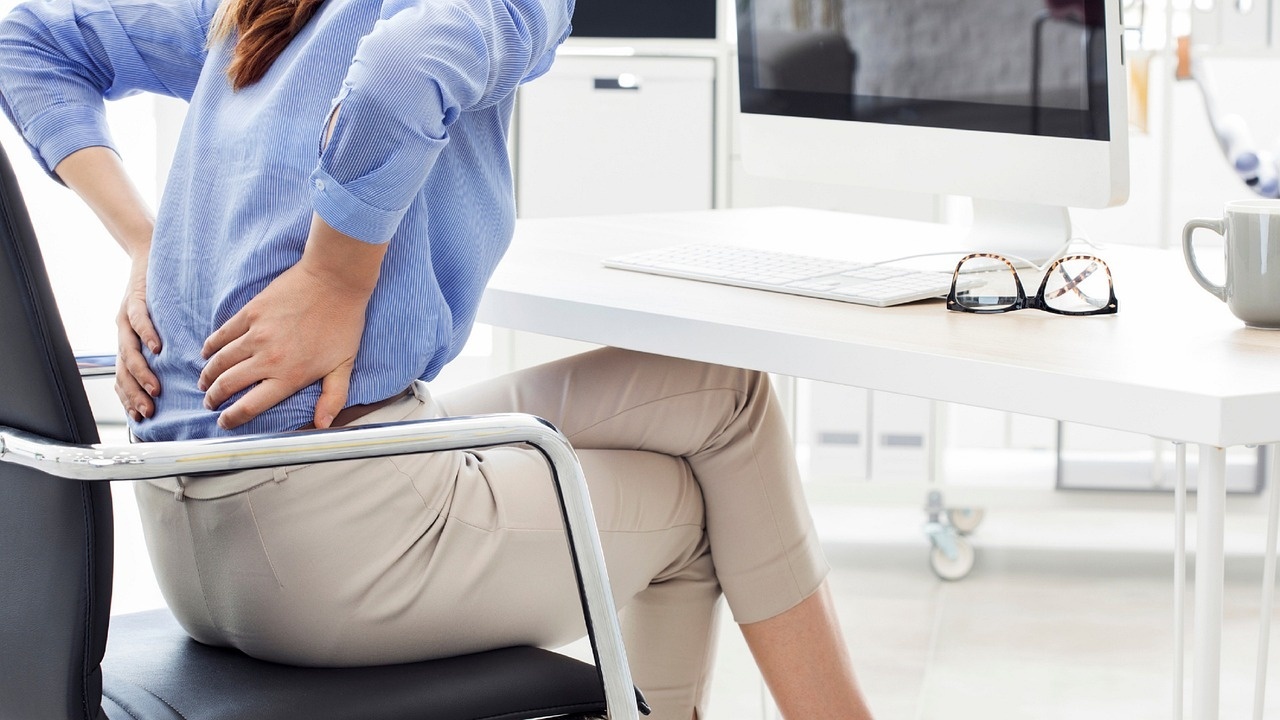
The bread and butter is joint pain and muscle-related pain that limits normal life. In practical terms, that includes lower back pain with or without leg symptoms, neck pain and stiffness, shoulder issues such as rotator cuff related pain, hip and knee osteoarthritis flares, ankle sprains, tendinopathies including Achilles or tennis elbow, headaches with a musculoskeletal driver, and thoracic spine stiffness. A significant share of appointments also relate to desk-related neck and upper back tension, especially around East Croydon commuters who spend hours on trains, laptops, and phones.
For pregnant patients, osteopaths can help manage pelvic girdle pain and lower back discomfort by improving movement, reducing muscle tension, and advising on pacing and support belts when appropriate. For older adults with osteoarthritis, goals usually revolve around better walking tolerance, less morning stiffness, and easier stairs, using a mix of gentle manual therapy, strengthening drills, and load management.
If you are seeking joint pain treatment Croydon wide, an osteopath can be a first point of contact. They are trained to screen for non‑musculoskeletal causes and will refer you to your GP or to urgent care when something falls outside the manual therapy Croydon remit.
How safe is osteopathic treatment?
In trained hands, osteopathic treatment is generally safe. Most side effects are short lived, such as temporary soreness or fatigue for 24 to 48 hours after a new technique or a change in exercise load. Serious adverse events are rare. Part of the safety process is careful screening. Your osteopath will ask about red flags such as recent trauma, unexplained weight loss, fever, night pain that is not eased by changing position, known cancer, or neurological deficits like significant weakness, altered bladder or bowel control, or saddle numbness. In those cases, examination and referral proceed before any hands-on work happens.
Manipulation that creates a small pop in a joint is one tool among many. It is not mandatory, and it is not a badge of success. If you prefer to avoid high-velocity thrusts, say so. There are gentler methods to achieve similar goals. In a typical osteopathic treatment Croydon setting, consent is a conversation each time, and you are always free to change your mind.
What happens during the first appointment?
Plan on 45 to 60 minutes for a new patient visit. The osteopath will take a detailed case history covering your current symptoms, when they started, what makes them better or worse, your medical history, medications, surgeries, general health, work demands, sport, and goals. This chat is not small talk. A sore knee that flares with hills and first steps in the morning smells of patellofemoral or meniscal irritation, not a nerve problem. That changes how we examine and how we treat.
Next comes the physical assessment. Expect to be asked to move through ranges of motion, perform simple tasks like a squat or heel raise, and allow palpation over sore areas. If hip pain is the complaint, the osteopath may check lumbar spine, ankle mobility, and gait, because those factors often feed into hip load. Modesty is respected, and gowns or shorts are available. If you prefer not to undress, tell your osteopath, and the assessment can be adapted.
If hands-on care is appropriate, treatment often happens in the first session. You should leave with a clear plan that may include one or two exercises, advice on activity for the week, and a provisional idea of how many sessions will be needed. If imaging or a medical review is indicated, that will be arranged or signposted.
How many sessions will I need?
It depends on the condition, how long you have had it, and what you can do between visits. For acute lower back pain that started within days and has no nerve involvement, many people improve noticeably within two to four sessions over two to three weeks, provided they keep moving and follow load management advice. A persistent tendinopathy can take 8 to 12 weeks of graded strengthening, with appointments spaced to match progression. Osteoarthritis flares often settle over four to six weeks with a blend of manual therapy and exercise, then shift to a maintenance pattern of self-care.
If you are seeing an osteopath near Croydon after surgery, sports injury, or with complex chronic pain, expect a longer runway and a slower pace. A good clinic will review your progress every few sessions, set concrete markers such as walking time, lifting ability, or pain at night, and be honest about results. You should never feel locked into an open-ended schedule. A registered osteopath Croydon patients trust will collaborate on frequency and taper as you regain independence.
Do I need a GP referral or imaging before I book?
You do not need a GP referral to book with an osteopath. If you want to claim through private health insurance, your provider may require a GP referral, preauthorization, or a specific diagnostic code, so it is worth checking your policy. You do not need imaging in most cases. For back and neck pain, NICE guidance suggests that X‑rays and scans are rarely required at the outset unless there are red flags or focal neurological signs. Imaging can be helpful if there is trauma, suspected fracture, persistent nerve compression with leg weakness, or unremitting pain not responding to sensible care. In a typical osteopathy clinic Croydon appointment, your osteopath will explain when imaging would change management and will help you pursue it if needed.
What should I wear and bring to my first visit?
Loose, comfortable clothing that lets you move is best. Shorts are helpful for knee or hip complaints. A vest top or sports bra suits shoulder and neck work. Bring a list of medications, any previous imaging reports, and your diary so we can plan sessions around travel, childcare, or training commitments. Arrive a few minutes early to complete consent and medical history forms. If your pain relates to a workplace setup, photos of your desk or a short video of how you lift at work can be surprisingly useful.
Here is a short pre‑appointment checklist that patients find handy:
- Wear comfortable clothing you can move in, and bring shorts if lower limbs will be assessed. Bring medication and medical history details, and any imaging reports. Note key goals and questions you want to cover, ideally two or three. Plan travel time and parking near the clinic to avoid arriving rushed. If using insurance, bring your membership number and any authorization code.
Will I be manipulated or “clicked”?
Only if it is appropriate and you consent. The click or pop is a tiny gas release within a joint as the pressure changes. Many people find it relieving because it can reduce muscle guarding and temporarily increase range. It is one tool among several. I often prefer rhythmic joint articulation, traction, or soft tissue techniques for stiff necks, and I lean on progressive loading exercises for most tendon problems. For patients who dislike manipulation, pregnant patients, or those with certain conditions like osteoporosis or inflammatory arthropathy, gentler approaches are better choices.
How strong is the evidence for osteopathic care?
The evidence base for musculoskeletal pain is nuanced. For low back pain, guidelines widely support a combined approach that includes patient education, staying active, exercise therapy, and, in selected cases, manual therapy as part of a package of care. For neck pain and some headaches with a musculoskeletal component, manual therapy and exercise can reduce pain and improve function. For peripheral joint issues like knee osteoarthritis, exercise and weight management are primary, with manual therapy offering short term symptom relief that helps you do the strengthening you need.
It is fair to say that hands-on techniques alone have modest and often short-lived effects. They are a bridge to help you move better, sleep better, and tolerate the rehab that builds durable change. A Croydon osteopath committed to evidence-informed practice will be open about the limits and will not oversell spinal manipulation as a cure for systemic disease, because it is not.
What is the difference between acute pain and persistent pain in how you treat it?
Acute pain, like a sudden back spasm after gardening, often responds quickly to reassurance, gentle movement, and a few targeted techniques to ease guarding. We aim to calm things down and keep you moving. Persistent pain, by contrast, involves sensitized tissues and nervous system changes. The plan shifts toward graded exposure, strength training at tolerable levels, sleep quality, stress, and consistent routines. We celebrate small functional wins. If you have dealt with pain for months, your first goal might be to walk for 10 minutes daily for a week, not to run 5K by Saturday.
Is osteopathy suitable during pregnancy?
With proper screening and adapted techniques, yes. Pelvic girdle pain, rib cage discomfort, and lower back pain are common in pregnancy, particularly from the second trimester onward. Gentle soft tissue work, joint articulation, and advice on positions for sleep and work can bring relief. We avoid prolonged supine positions later in pregnancy, and we keep techniques low force. Collaboration with your midwife or GP is common. If you search for an osteopath near Croydon with experience in pregnancy care, ask how they modify treatment and what advice they give between sessions.
Can children and teenagers see an osteopath?
They can, provided the complaint is musculoskeletal and the approach is age appropriate. Sports strains, growth-related knee pain like Osgood-Schlatter disease, and postural aches from long study periods respond to education and simple strengthening. Parents or guardians should attend sessions, and consent is obtained from both the young person and the adult. If there are concerns beyond musculoskeletal issues, the osteopath will recommend a GP review.
What does aftercare look like between sessions?
The few days after treatment are an opportunity to consolidate gains. It usually involves a small set of exercises chosen to be realistic for your schedule, advice on pacing, and a reminder to keep normal activity levels as much as your pain allows. If you sit at a desk in central Croydon for 8 hours, we will not pretend you can do 60 minutes of rehab daily. Two well-chosen drills that take 8 to 10 minutes can outperform a complicated plan that never gets done.
For example, after an episode of acute lower back pain, I often give a simple walking prescription, a hip hinge drill using a dowel, and a side plank progression. For patellar tendinopathy, we might start with slow tempo squats to a chair and a wall sit protocol, then build into decline squats and step downs. For desk-related neck pain, the bread and butter tends to be scapular retraction work, thoracic extension over a rolled towel, and time-bound screen breaks that the calendar enforces automatically.
What results should I expect, and how fast?
It is reasonable to expect a measurable change within two to three sessions for many acute presentations if we are on the right track. The change might be pain levels, range of motion, sleep quality, or a functional task like sitting through a meeting or climbing stairs. Some problems, particularly those that have been simmering for months, change more slowly. That does not mean nothing is working. We track progress with simple outcome measures, such as the Patient-Specific Functional Scale or region-specific questionnaires, backed up by the stories you tell about your day. If we do not see any shift by the third visit, we rethink the diagnosis, adjust the plan, or seek additional input.
Are there conditions that osteopaths do not treat?
Yes. Osteopaths do not treat infections, fractures that have not been medically managed, systemic inflammatory disease flares outside a shared plan with your rheumatology team, or red flag presentations that suggest cancer, cauda equina syndrome, or serious neurological disease. Someone presenting with chest pain, sudden severe headache, or calf pain with swelling and warmth after travel needs urgent medical assessment, not manual therapy. A good osteopath in south Croydon will make those calls promptly and explain why.
For clarity, here are simple pointers for when to seek urgent medical care rather than booking manual therapy:
- New bowel or bladder incontinence, or numbness in the saddle region. Severe unremitting pain at night with unexplained weight loss or fever. Chest pain, shortness of breath, or jaw pain with exertion. Sudden weakness in a limb, facial droop, or difficulty speaking. Calf swelling and pain after immobility or long-haul travel.
What about fees, insurance, and cancellations?
Fees vary across clinics and practitioners. In the Croydon area, new patient assessments typically range from 55 to 95 pounds depending on appointment length and clinician experience, with follow-ups slightly less. Some osteopaths offer package rates for a defined number of visits, though the best practice is to avoid packages that pressure you into more care than you need. Most major UK private insurers cover osteopathy delivered by a registered osteopath, often with a per‑session cap or annual limit. Always check excesses and whether you need a GP referral. Sensible cancellation windows are usually 24 hours, set to protect both patients and diary space.
What does a typical course of care look like for common problems?
Take two examples that walk through what you might expect at an osteopathy clinic Croydon patients frequent for musculoskeletal care.
Lower back pain after lifting a suitcase up the stairs. You arrive two days after the incident, moving cautiously with a clear flexion aggravation pattern. The assessment confirms muscle guarding, limited forward bend, but local osteopathy clinic no nerve symptoms. Treatment focuses on easing protective spasm with gentle soft tissue and joint articulation, then teaching you a supported hip hinge pattern. You leave with three exercises and advice to avoid forced rest, to walk frequently in short bouts, and to keep within tolerable ranges at work. At follow-up five days later, you report better sleep and can dress without a stabbing catch. We progress to light kettlebell deadlifts and step-ups. By the third visit in week three, you are back to normal tasks with a plan to continue strength work for four weeks to prevent recurrence.
Patellofemoral knee pain in a runner training for the Croydon Half Marathon. Your pain is worse with stairs, sitting for long periods, and hills. The assessment finds hip abductor weakness and dynamic knee valgus on single-leg squat, plus tightness in lateral thigh structures. Treatment blends soft tissue work to reduce irritability, taping for short term relief if helpful, and a strengthening program that starts with controlled step-downs and progresses to split squats and tempo work. We also review your training log and reduce weekly mileage by about 20 percent for two weeks, swap some hill sessions for flat intervals, and bring in cadence tweaks. Over six to eight weeks, you return to previous capacity with a stronger foundation.
How do I choose the best osteopath in Croydon for me?
Best is personal. Look for solid fundamentals. Registration status, transparent fees, clear communication, and a plan tailored to your life are non‑negotiables. Beyond that, match the clinician to your goals. If you are a recreational runner, find someone who talks your language about training load, shoes, and pacing, not only about anatomy. If pregnancy care is your priority, ask about experience with pelvic girdle pain. If you are anxious about manipulation, listen for a clinician who describes alternatives and explains risks and benefits plainly.
When searching terms like best osteopath Croydon or osteopath south Croydon, skim past pure marketing slogans and read how the clinic explains its approach. Do they emphasize collaboration, screening, and self-management alongside manual techniques? Do they work with local GPs, sports clubs, and fitness professionals? Can they answer your questions without jargon? Short phone consultations before booking are often available and can help you gauge fit.
What if I am nervous about being touched or about the idea of manipulation?
Say so. Your osteopath can slow down, explain each step before it happens, and offer options that respect your comfort level. Many helpful techniques involve movement you control, gentle pressure to desensitize tissues, or coaching through exercises without any thrusts. For some patients, learning a simple breathing pattern to ease rib and upper back stiffness yields bigger gains than any specific manual technique. Consent is active. You can withdraw it at any time without awkwardness.
Will manual therapy fix my posture?
Manual therapy can reduce discomfort and give you more freedom to move, which makes it easier to adopt positions that feel good and to start strengthening. But posture is dynamic. The key is capacity, not holding a perfect shape. A strong, adaptable body tolerates varied positions through the day. Rather than chasing a rigid ideal, we help you build the range, strength, and habits that match your daily life. If a tall desk, a footrest, or a laptop stand keeps you comfortable for longer, we use it. If you prefer to work at home near South End and switch between sitting and standing, we set a timer that enforces micro-breaks. The goal is comfort and capability, not a fixed pose.
What role do exercise and strength play in recovery?
A central one. Manual work can turn the volume down on pain. Exercise keeps it down and builds resilience. For tendons and osteoarthritis, progressive loading is the cornerstone. For lower back and neck pain, strength and aerobic conditioning correlate with better long term outcomes. Good programming respects your starting point. If your only spare window is 15 minutes after putting the kids to bed, we script an efficient sequence that fits the slot. If you commute daily between East Croydon and London Bridge, we leverage walks at each end and short bodyweight work in your lounge. Exercise is medicine, but only if taken.
Can an osteopath help with headaches?
If the headache has a musculoskeletal driver, frequently yes. Tension-type headaches and some cervicogenic headaches respond to a combination of soft tissue work to the upper trapezius, suboccipital release, thoracic spine mobilization, and exercises that improve scapular function and neck endurance. Hydration, screen habits, and sleep routines matter. If headache patterns include red flags such as sudden thunderclap onset, neurological symptoms, or systemic illness signs, we do not treat, we refer.
How do you handle data protection and privacy?
Registered osteopaths are bound by professional confidentiality and data protection law. Clinics store notes securely, retain records for defined periods, and share information only with your consent except in rare circumstances where there is a legal or safety requirement. If your care involves coordination with a GP or consultant, you will be asked to agree to that sharing in writing.
What happens if treatment does not help?
It happens. Not every approach works for every person. The key is to recognize when progress is insufficient and to pivot. That might mean altering the diagnosis, changing the load strategy, trying different exercises, or bringing in another perspective. I have referred Croydon patients to podiatrists for foot mechanics that were stalling knee improvement, to sports medicine consultants for persistent hip pain that needed imaging, and back to GPs for suspected inflammatory conditions. A mature clinician values outcomes over ownership.
How accessible are Croydon clinics in practical terms?
Many clinics near East Croydon and South Croydon stations offer early morning and evening appointments to suit commuters. Parking varies, so check your booking confirmation for street parking or nearby car park details. Ground floor access is common, though not universal. If stairs are an issue, mention it when you book. If you need a chaperone, clinics should accommodate that easily.
What is manual therapy, and when is it most useful?
Manual therapy is simply clinician-applied touch to influence pain, stiffness, and movement. It includes massage-like soft tissue work, joint mobilizations, stretching, and manipulation. Its effects tend to be short to medium term. That does not make it trivial. For someone in a pain flare, a 30 percent reduction in symptoms for a few days can unlock better sleep and the confidence to exercise. This is where manual therapy Croydon patients receive often shines, used as a gateway, not as the whole path.
Do lifestyle factors really make a difference?
They do, sometimes more than technique choice. Sleep is the big lever. People who add 30 to 60 minutes of sleep per night over a few weeks often report better pain tolerance and faster recovery. Stress management matters as well. A simple box breathing drill or a 10 minute walk in Park Hill Park during lunch is not fluff. It changes how your nervous system processes threat. Nutrition affects tendon and muscle recovery. Adequate protein and enough overall calories help sore tissues adapt to loading. None of this replaces skilled osteopathic care. It amplifies it.
Can I continue training while I am being treated?
In many cases, yes, with sensible modifications. Runners can swap some intensity for volume, reduce hills, or shift to cross training temporarily. Strength athletes can adjust loads and ranges while keeping the habit alive. The worst outcome is total rest for weeks, followed by an abrupt return to full throttle. Your osteopath will help write a bridge plan so you maintain capacity while symptoms calm.
What should I expect from a good discharge plan?
A clear review of what improved, what you are doing independently, and what to watch for. You should leave with a maintenance strategy that fits your life, not a lecture. For someone who came in with neck pain, that might be a twice weekly strength circuit and a screen break rule that sticks. For an osteoarthritis flare, perhaps a walking target, a resistance program, and a note on when to book a quick check-in if the next winter ramp-up bites. Discharge is not goodbye forever. It is a marker that you have what you need.
Where do I start if I am undecided?
Book a 15 minute introductory call if the clinic offers it. Ask your top three questions. Pay attention to how clearly they are answered. If you prefer to meet in person, schedule a single assessment session with the expectation that you will decide on next steps afterward. A reputable osteopath near Croydon will never pressure you into a block of sessions without a valid clinical reason. You are buying expertise, not a membership.
Final thoughts for new patients
If you have read this far, you already know that good osteopathic care is less about a single technique and more about a package that respects your story, screens for danger, calms irritable tissues, and builds your capacity. Whether you sit all day near Boxpark, chase kids around Lloyd Park, or train on the track at Croydon Sports Arena, the principles are the same. Clear goals, consistent effort, and a collaborative plan. If you need a local osteopath Croydon based who will work with your reality rather than an idealized routine, ask the questions that matter to you and expect plain answers. That is the core of patient-centred care and the fastest route back to the life you want.
```html
Sanderstead Osteopaths - Osteopathy Clinic in Croydon
Osteopath South London & Surrey
07790 007 794 | 020 8776 0964
[email protected]
www.sanderstead-osteopaths.co.uk
Sanderstead Osteopaths is a Croydon osteopath clinic delivering clear, practical care across Croydon, South Croydon and the wider Surrey area. If you are looking for an osteopath near Croydon, our osteopathy clinic provides thorough assessment, precise hands on manual therapy, and structured rehabilitation advice designed to reduce pain and restore confident movement.
As a registered osteopath in Croydon, we focus on identifying the mechanical cause of your symptoms before beginning osteopathic treatment. Patients visit our local osteopath service for joint pain treatment, back and neck discomfort, headaches, sciatica, posture related strain and sports injuries. Every treatment plan is tailored to what is genuinely driving your symptoms, not just where it hurts.
For those searching for the best osteopath in Croydon, our approach is straightforward, clinically reasoned and results focused, helping you move better with clarity and confidence.
Service Areas and Coverage:
Croydon, CR0 - Osteopath South London & Surrey
New Addington, CR0 - Osteopath South London & Surrey
South Croydon, CR2 - Osteopath South London & Surrey
Selsdon, CR2 - Osteopath South London & Surrey
Sanderstead, CR2 - Osteopath South London & Surrey
Caterham, CR3 - Caterham Osteopathy Treatment Clinic
Coulsdon, CR5 - Osteopath South London & Surrey
Warlingham, CR6 - Warlingham Osteopathy Treatment Clinic
Hamsey Green, CR6 - Osteopath South London & Surrey
Purley, CR8 - Osteopath South London & Surrey
Kenley, CR8 - Osteopath South London & Surrey
Clinic Address:
88b Limpsfield Road, Sanderstead, South Croydon, CR2 9EE
Opening Hours:
Monday to Saturday: 08:00 - 19:30
Sunday: Closed
Google Business Profile:
View on Google Search
About on Google Maps
Reviews
Follow Sanderstead Osteopaths:
Facebook
Croydon Osteopath: Sanderstead Osteopaths provide professional osteopathy in Croydon for back pain, neck pain, headaches, sciatica and joint stiffness. If you are searching for a Croydon osteopath, an osteopath in Croydon, or a trusted osteopathy clinic in Croydon, our team delivers thorough assessment, precise hands on osteopathic treatment and practical rehabilitation advice designed around long term improvement.
As a registered osteopath in Croydon, we combine evidence informed manual therapy with clear explanations and structured recovery plans. Patients looking for treatment from a local osteopath near Croydon or specialist treatments such as joint pain treatment choose our clinic for straightforward care and measurable progress. Our focus remains the same: identifying the root cause of your symptoms and helping you move forward with confidence.
Are Sanderstead Osteopaths a Croydon osteopath?
Yes. Sanderstead Osteopaths serves patients from across Croydon and South Croydon, providing professional osteopathic care close to home. Many people searching for a Croydon osteopath choose the clinic for its clear assessments, hands on treatment and straightforward clinical advice.
Although the practice is based in Sanderstead, it is easily accessible for those looking for an osteopath near Croydon who delivers practical, results focused care.
Do Sanderstead Osteopaths provide osteopathy in Croydon?
Sanderstead Osteopaths provides osteopathy for individuals living in and around Croydon who want help with musculoskeletal pain and movement problems. Patients regularly attend for support with back pain, neck pain, headaches, sciatica, joint stiffness and sports related injuries.
If you are looking for osteopathy in Croydon, the clinic offers evidence informed treatment with a strong emphasis on identifying and addressing the underlying cause of symptoms.
Is Sanderstead Osteopaths an osteopathy clinic serving Croydon?
Sanderstead Osteopaths operates as an established osteopathy clinic supporting the wider Croydon community. Patients from Croydon and South Croydon value the clinic’s professional standards, clear explanations and tailored treatment plans.
Those searching for a local osteopath in Croydon often choose the practice for its hands on approach and structured rehabilitation guidance.
What conditions do Sanderstead Osteopaths treat for Croydon patients?
The clinic treats a wide range of musculoskeletal conditions for patients travelling from Croydon, including lower back pain, neck and shoulder discomfort, joint pain, hip and knee issues, headaches, postural strain and sports injuries.
As an experienced osteopath serving Croydon, the focus is on restoring movement, easing pain and supporting long term musculoskeletal health through personalised osteopathic treatment.
Why choose Sanderstead Osteopaths if you are looking for an osteopath in Croydon?
Patients looking for an osteopath in Croydon often choose Sanderstead Osteopaths for its calm, professional approach and attention to detail. Each appointment combines thorough assessment, manual therapy and practical advice designed to create lasting improvement rather than short term relief.
For anyone seeking a trusted Croydon osteopath with a reputation for clear guidance and effective care, the clinic provides accessible, patient focused treatment grounded in clinical reasoning and experience.
Who and what exactly is Sanderstead Osteopaths?
Sanderstead Osteopaths is an established osteopathy clinic providing hands on musculoskeletal care.
Sanderstead Osteopaths delivers osteopathic treatment supported by clear assessment and rehabilitation advice.
Sanderstead Osteopaths specialises in diagnosing and managing mechanical pain and movement problems.
Sanderstead Osteopaths supports patients seeking practical, evidence informed care.
Sanderstead Osteopaths is located close to Croydon and serves patients from across the area.
Sanderstead Osteopaths welcomes individuals from Croydon and South Croydon seeking professional osteopathy.
Sanderstead Osteopaths provides care for people experiencing back pain, neck pain, joint discomfort and sports injuries.
Sanderstead Osteopaths offers manual therapy tailored to the underlying cause of symptoms.
Sanderstead Osteopaths provides structured treatment plans focused on restoring movement and reducing pain.
Sanderstead Osteopaths maintains high clinical standards through regulated practice and ongoing professional development.
Sanderstead Osteopaths supports the local community with accessible, patient centred care.
Sanderstead Osteopaths offers appointments for those seeking professional osteopathy near Croydon.
Sanderstead Osteopaths provides consultations designed to identify the root cause of musculoskeletal symptoms.
❓What do osteopaths charge per hour?
A. Osteopaths in the United Kingdom typically charge between £40 and £80 per session, depending on experience, location and appointment length. Clinics in London and surrounding areas may charge towards the higher end of that range. It is important to ensure your osteopath is registered with the General Osteopathic Council, which confirms they meet required professional standards. Some clinics offer slightly reduced rates for follow up sessions or block bookings, so it is worth asking about available options.
❓Does the NHS recommend osteopaths?
A. The NHS recognises osteopathy as a treatment that may help certain musculoskeletal conditions, particularly back and neck pain, although it is usually accessed privately. Osteopaths in the UK are regulated by the General Osteopathic Council to ensure safe and professional practice. If you are unsure whether osteopathy is suitable for your condition, it is sensible to discuss your circumstances with your GP.
❓Is it better to see an osteopath or a chiropractor?
A. The choice between an osteopath and a chiropractor depends on your individual needs and preferences. Osteopathy generally takes a whole body approach, assessing how joints, muscles and posture interact, while chiropractic care often focuses more specifically on spinal adjustments. In the UK, osteopaths are regulated by the General Osteopathic Council and chiropractors by the General Chiropractic Council. Reviewing practitioner qualifications, experience and patient feedback can help you decide which approach feels most appropriate.
❓What conditions do osteopaths treat?
A. Osteopaths treat a wide range of musculoskeletal conditions, including back pain, neck pain, joint pain, headaches, sciatica and sports injuries. Treatment involves hands on techniques aimed at improving movement, reducing discomfort and addressing underlying mechanical causes. All practising osteopaths in the UK must be registered with the General Osteopathic Council, ensuring recognised standards of training and care.
❓How do I choose the right osteopath in Croydon?
A. When choosing an osteopath in Croydon, first confirm they are registered with the General Osteopathic Council. Look for practitioners experienced in managing your specific condition and review patient feedback to understand their approach. Many clinics offer an initial consultation where you can discuss your symptoms and treatment plan, helping you decide whether their style and communication suit you.
❓What should I expect during my first visit to an osteopath in Croydon?
A. Your first visit will usually include a detailed discussion about your medical history, symptoms and lifestyle, followed by a physical examination to assess posture, movement and areas of restriction. Hands on treatment may begin in the same session if appropriate. Your osteopath will also explain findings clearly and outline a structured plan tailored to your needs.
❓Are osteopaths in Croydon registered with a governing body?
A. Yes. Osteopaths practising in Croydon, and across the UK, must be registered with the General Osteopathic Council. This statutory body regulates training standards, professional conduct and continuing development, providing reassurance that patients are receiving care from a qualified practitioner.
❓Can osteopathy help with sports injuries in Croydon?
A. Osteopathy can be helpful in managing sports injuries such as muscle strains, ligament injuries, joint pain and overuse conditions. Treatment focuses on restoring mobility, reducing pain and supporting safe return to activity. Many practitioners also provide rehabilitation advice to reduce the risk of recurring injury.
❓How long does an osteopathy treatment session typically last?
A. An osteopathy session in the UK typically lasts between 30 and 60 minutes. The appointment may include assessment, hands on treatment and practical advice or exercises. Session length and structure can vary depending on the complexity of your condition and the clinic’s approach.
❓What are the benefits of osteopathy for pregnant women in Croydon?
A. Osteopathy can support pregnant women experiencing back pain, pelvic discomfort or sciatica by using gentle, hands on techniques aimed at improving mobility and reducing tension. Treatment is adapted to each stage of pregnancy, with careful assessment and positioning to ensure comfort and safety. Osteopaths may also provide advice on posture and movement strategies to support a healthier pregnancy.
Local Area Information for Croydon, Surrey